
Project Management Training Built for Emergency Managers
Upcoming PM4EM Cohorts (just click below)
PM4EM—Four Workshops. One Framework.
Built for Where Your Team Is Right Now.
Start with fundamentals or go all the way to organizational adoption. Every workshop uses the PM4EM framework — each one builds on the previous one.
Delivered in-person 👨🏻🏫 or online 🌐
Compare the Workshops at a Glance
PM4EM 1-Day Core Essentials Bootcamp
Fast alignment on project planning fundamentals
Best for: Individual emergency managers and small teams who need fast alignment on planning fundamentals
Core outcome: Walk in with a challenge, walk out with a draft scope, schedule, and budget
Ideal team maturity: New to formal project planning or needing a shared baseline quickly
Format: Public/open enrollment
PM4EM 2-Day Foundations
Reusable project planning outputs and a shared methodology
Best for: Agencies and private-sector teams ready to adopt a shared planning method
Core outcome: Draft project plans plus a common baseline for scope, schedules, budgets, and execution roles
Ideal team maturity: Moving from ad-hoc planning to standardized methods across the team
Format: Hosted cohort (public or private)
Upcoming PM4EM Cohorts (just click below)
PM4EM 3-Day Accelerator
Stronger project execution across the organization
Which Workshop Is Right for You?
Not Sure Where to Start? Workshops details are described below. Pick what you and your team needs most — or we'll route you to the right fit. Download our latest workshops booklet.
-
Scope, Schedule, & Budget - The Fundamentals Emergency Managers Can Apply Immediately
Walk in with a challenge and walk out with a plan. Get your scope right, budget tight, and your schedule realistic.
SUMMARY
In this 1-day intensive bootcamp, emergency and public safety professionals learn the core project planning skills needed to deliver real-world initiatives. You’ll build a draft plan by focusing on the essentials: scope, schedule, and budget—using emergency management examples, templates, and guided work time.
You’ll learn how to:
Define clear scope (objectives, requirements, deliverables)
Build a milestone-based schedule (WBS + sequencing)
Create a practical, defensible budget (estimates + constraints)
Includes: hands-on exercises, templates, and feedback—so you leave with a working draft project plan.
WHO SHOULD ATTEND
Ideal for:
Emergency managers and public safety leaders (preparedness, mitigation, recovery, training)
Crisis managers and business continuity professionals
Professionals responsible for inter-agency coordination and emergency preparedness
WHAT YOU’LL LEARN (KEY OUTCOMES)
Participants will learn how to:
Translate AAR corrective actions and grant requirements into clear, executable project plans.
Define a project scope using SMART goals, critical success factors, and clear deliverables
Break down project work into manageable components using a Work Breakdown Structure (WBS)
Develop a milestone-driven schedule and map tasks with durations and dependences
Estimate costs using budget planning tools and align with project constraints
Apply scope-schedule-budget alignment techniques to avoid common pitfalls.
WHAT YOU’LL LEAVE WITH
Printed Participant Guide (slides + exercises)
Reusable templates: scope, schedule, and budget
Copy of Riding the Wave: Applying Project Management Science in the Field of Emergency Management
Your own draft scope, milestone timeline, and budget by the end of the day
A free 30-minute consultation with the instructor post workshop
-
Build a Shared Planning Method for Your Team
SUMMARY
Our Project Management for Emergency Managers (PM4EM) Foundations Workshop is a hands-on workshop that explains and demonstrates how project management can be applied in the context of emergency management. Emergency management has become increasingly more complex and interconnected, and agencies have been called on to address a wider variety of hazards, threats, and community vulnerabilities. Much of the work that falls into the scope of emergency managers, prevention, preparedness, mitigation is “blue sky planning” and can be contained and effectively managed within projects; they may be longer term plans and mitigation measures or short-term emergency responses to a disaster. Over the course of two days, participants learn the PM4EM Foundations framework and apply it to real initiatives—resulting in draft project plans and a common baseline for scope, schedules, budgets, and execution roles.
WHO THIS WORKSHOP IS FOR
Emergency and public safety managers responsible for developing and maintaining emergency plans
Managersresponsible for plan components such as training courses, field operations guides, and integrating technology/tools
Professionals who design and run exercises (drills, tabletop, functional, and full-scale exercises)
Leaders responsible for implementing plans and plan components during real emergency events
Senior emergency response leaders in fire protection, law enforcement/public safety, and emergency medical services
Business continuity leaders and crisis managers
Emergency Support Function (ESF) managers
Private-sector leaders responsible for crisis management, organizational resilience and public safety functions (even if their title doesn’t include “emergency management”)
KEY LEARNING OBJECTIVES (2-DAY FOUNDATIONS)
By the end of this course, participants will be able to:
Explain why project management methods are effective in emergency management—and when to apply them
Use the PM4EM framework to structure real EM initiatives (preparedness, mitigation, recovery, exercises, and response projects)
Build core planning elements using practical tools:
define scope and deliverables (SOW)
create a Work Breakdown Structure (WBS)
develop a milestone-based schedule
draft a budget framework aligned to constraints; stop the Grant Deadline Scramble: Use project planning to manage financial compliance and reporting with confidence.
Apply monitoring and controlling basics to track progress, manage changes, and keep scope, schedule, and budget aligned
Identify clear next steps to refine and implement the draft project plan within your organization
COHORT DELIVERABLES
Printed Participant Guide (slides + exercises)
Reusable templates: scope, schedule, and budget
Copy of Riding the Wave: Applying Project Management Science in the Field of Emergency Management
Your own draft project plan by the end of the day
A free 30-minute consultation with the instructor post workshop
MODULES / AGENDA (FOUNDATIONS)
Day 1:
Introduction to the Workshop
Project Management & Emergency Management Overview
Managing the Project Scope (SOW)
Work Breakdown Structure (WBS)
Day 2:
Scheduling the Project
Managing the Project Budget
Other Key Plan Elements (overview)
Monitoring & Controlling the Project
Conclusion & Next Steps
-
Build a Shared Planning Method for Your Agency/Region
SUMMARY
This 3-day, hands-on workshop explains and demonstrates how to apply project management in the context of emergency management—with an added Day 3 deep dive that expands key project plan elements: HR, quality, risk, procurement, and stakeholder & communications management into a practical working session. Agencies and regional partners can begin to build acceleration-ready plans for priority initiatives—while standardizing the planning tools used across teams. Days 1–2 establish Foundations (scope/WBS/schedule/budget). Day 3 adds Intermediate planning components—stakeholders/communications, risk, quality, procurement, and roles—so initiatives are easier to execute and harder to derail.
WHO THIS WORKSHOP IS FOR
Emergency and public safety managers responsible for developing and maintaining emergency plans
Managersresponsible for plan components such as training courses, field operations guides, and integrating technology/toolsProfessionals who design and run exercises (drills, tabletop, functional, and full-scale exercises)
Leaders responsible for implementing plans and plan components during real emergency events
Senior emergency response leaders in fire protection, law enforcement/public safety, and emergency medical services
Business continuity leaders and crisis managers
Emergency Support Function (ESF) managers (as defined by FEMA)
Private-sector leaders responsible for emergency management and public safety functions (even if their title doesn’t include “emergency management”)
KEY LEARNING OBJECTIVES (3-Day Implementation)
By the end of this course, participants will be able to:
Explain why project management methods are effective in emergency management—and when to apply them
Use the PM4EM framework to structure real EM initiatives (preparedness, mitigation, recovery, exercises, and response projects)
Build core planning elements using practical tools:
define scope and deliverables (SOW)
create a Work Breakdown Structure (WBS)
develop a critical path schedule
draft a budget framework aligned to constraints
Go beyond compliance: use quality management to strengthen your EM capabilities before the next disaster hits
Apply monitoring and controlling basics to track progress, manage changes, and keep scope, schedule, and budget aligned
Identify clear next steps to refine and implement the draft project plan within your organization
Build out the key elements of a complete project plan: HR, quality, risk, procurement, and stakeholder & communications management
COHORT DELIVERABLES
Printed Participant Guide (slides + exercises)
Reusable templates: scope, schedule, and budget
Copy of Riding the Wave: Applying Project Management Science in the Field of Emergency Management
Your own draft project plan by the end of the day
A free 30-minute consultation with the instructor post workshop
MODULES / AGENDA
Day 1:
Introduction to the Workshop
Project Management & Emergency Management Overview
Managing the Project Scope (SOW)
Work Breakdown Structure (WBS)
Day 2:
Scheduling the Project
Managing the Project Budget
Develop the Human Resource Plan
Develop the Stakeholder and Communications Plan
Day 3:
Develop the Project Quality Plan
Develop the Project Risk Plan
Develop the Procurement Plan
Demonstrate Monitoring and Controlling Projects
Conclusion and Next Steps
-
Project and Program Foundations + Portfolio Decisions, Response Execution, and Continuous Improvement
SUMMARY
PM4EM Day 4 is designed for agencies and groups that want organizational adoption—not just individual learning. This advanced workshop helps teams translate project planning into an execution system that works across departments, partners, and competing priorities. Participants apply program/portfolio thinking, build a “response-as-project” operating rhythm, and establish a quality + continuous improvement loop that supports consistent application and delivery.
WHO THIS WORKSHOP IS FOR
Emergency and public safety managers responsible for developing and maintaining emergency plans
Managersresponsible for plan components such as training courses, field operations guides, and integrating technology/toolsProfessionals who design and run exercises (drills, tabletop, functional, and full-scale exercises)
Leaders responsible for managing programs; implementing plans and plan components
Senior emergency response leaders in fire protection, law enforcement/public safety, and emergency medical services
Business continuity leaders and crisis managers
Emergency Support Function (ESF) managers (as defined by FEMA)
Private-sector leaders responsible for emergency management and public safety functions (even if their title doesn’t include “emergency management”)
KEY LEARNING OBJECTIVES
By the end of this course, participants will be able to:
Explain why project management methods are effective in emergency management—and when to apply them
Use the PM4EM framework to structure real EM initiatives (preparedness, mitigation, recovery, exercises, and response projects)
Build core planning artifacts using practical tools:
define scope and deliverables (SOW)
create a Work Breakdown Structure (WBS)
develop a milestone-based schedule
draft a budget framework aligned to constraints
Apply monitoring and controlling basics to track progress, manage changes, and keep scope, schedule, and budget aligned
Identify clear next steps to refine and implement the draft project plan within your organization
Build out the key elements of a complete project plan (HR, quality, risk, procurement, stakeholder & communications management)
From conception to completion: developing a draft program plans with a structured roadmap to deliver your multi-year projects on time, budget, and scope, by prioritizing and governing multiple initiatives
Develop clearer roles, checkpoints, and communication rhythms for response execution
Develop a repeatable method for continuous improvement that supports accountability and follow-through
Develop leadership tools that strengthen alignment across teams and partners
COHORT DELIVERABLES
Printed Participant Guide (slides + exercises)
Reusable templates: scope, schedule, and budget
Copy of Riding the Wave: Applying Project Management Science in the Field of Emergency Management
Your own draft project and program plan by the end of the day
A free 30-minute consultation with the instructor post workshop
Two office-hour sessions with teams
MODULES / AGENDA (FOUNDATIONS)
Day 1:
Introduction to the Workshop
Project Management & Emergency Management Overview
Managing the Project Scope (SOW)
Work Breakdown Structure (WBS)
Day 2:
Scheduling the Project
Managing the Project Budget
Develop the Human Resource Plan; Other Key Plan Elements (overview)
Develop the Stakeholder and Communications Plan
Day 3:
Develop the Project Quality Plan
Develop the Project Risk Plan
Develop the Procurement Plan
Demonstrates Monitoring and Controlling Projects
Day 4:
Program & Portfolio Management in Emergency Management
Emergency Response as a Project
Quality Management & Continuous Improvement
Project Leadership in High-Stakes Environments
Capstone Strategic Planning Simulation
Conclusion & Next Steps
Project Management for Emergency Managers (PM4EM)
provides practical, cohort-based workshops that give emergency and public safety teams the project planning skills to turn AARs, grants, and mandates into executable projects — on scope, on schedule, on budget to help increase your emergency management and public safety capabilities. PM4EM workshops engage you in work on real emergency management projects. Every activity transfers directly to grants and projects you're already managing.
Still not sure which workshop option is a good fit?
Best for: Agencies and regional partners building acceleration-ready plans for priority initiatives
Core outcome: Foundations plus HR, quality, risk, procurement, and stakeholder/communications planning — plans that are easier to execute and harder to derail
Ideal team maturity: Teams hardening their plans against execution risk
Format: Hosted cohort (public or private)
PM4EM 4-Day Advanced Leadership + Integration
Cross-organizational leadership and portfolio integration
Best for: Agencies pursuing organizational adoption across departments, partners, and competing priorities
Core outcome: Program/portfolio governance, a response-as-project operating rhythm, and a continuous improvement loop
Ideal team maturity: Mature teams scaling planning across the enterprise
Format: Private cohort

What Participants are Saying About the Workshops
100% of workshop participants strongly agree or agree that their workshop taught them practical and effective project management methods and tools applicable to emergency management.
Hear what Hannah Ritz, Emergency Management Specialist-Associate at ReadyZoneHQ, has to say about the PM4EM workshop
Here are just some participant testimonials:
-
![]()
“I was looking for PM4EM to help strengthen my project management skills. We often manage projects but learn these skills through experience rather than formal project management training, which results in being less efficient. Even though there is now software to help manage projects, understanding and walking through the project management process remains critical. The course provides tools that can improve project execution/efficiency. I would recommend the course to colleagues involved in project management within emergency management.” - Lt. Gregory M. Godish, Assistant Bureau Chief, Incident Support Bureau, Emergency Management Section, Homeland Security Branch, New Jersey State Police
-
![]()
"Emergency managers regularly manage and lead a multitude of projects, but we do not always use a consistent structure to organize that work. The PM4EM bootcamp demonstrated how traditional and agile project management practices can help us to organize that work more effectively and efficiently while still remaining flexible. I especially valued the emphasis on clearly defining scope, breaking complex work into smaller, more manageable components, and developing programs collaboratively with stakeholders rather than in a vacuum. I left the bootcamp with practical tools that I could immediately apply to my day-to-day work and to future projects.” - Brett Berntsen, Training & Exercise Program Administrator, Office of Emergency Management, City of Bellevue, WA
-
![]()
“A few years ago, I enrolled in a Project Management Certificate Program through a local university, with the goal of getting my PMP at the end. I thought this would help me better manage my daily workload. Then I dropped out.👎 I was seeing myself thrown into more and more new initiatives, app rollouts, and planning efforts that felt more like real "projects" than my Program Manager title was built for. But after a few classes, I realized: It's just not the way we do things! Stakeholder analysis? We don't often get to choose. Work breakdown structure? Yeah, that's just a page with my name on it a whole bunch of times. Network diagram? Every project needed to start yesterday. I was looking for a way to translate the PM world to the EM World. 📢 FOUND IT! Go check out Andrew Boyarsky and his #PM4EM planning workshops. The 2-day foundations class helped me to put it all together and see how the fundamental tools of PM can really apply to this crazy EM cycle. I've got a whole new way of looking at things, from the intake process to performance monitoring.” - Cameron Zettlemoyer, MS, CHEP, Regional Program Manager, Emergency Management and Business Continuity, Penn State Health
-
![]()
“Emergency Managers who are you trying to juggle preparedness projects, update response plans, and implement mitigation measures, and feeling overwhelmed and looking for solutions to help manage these projects; PM4EM offers 1 day to 4 day workshops that provide fundamental project management tools and solutions to improve your overall emergency management program, from grants to exercise design.” - Mark Vogel, M.Ed., CEM, MEP, Hamburg Emergency Management, NJ
-
![]()
“The instructor engaged students through a combination of interactive lecture, group activities, and peer to peer learning; all of this was relevant to our actual emergency management work.” - Ryan Tuchmayer, Director of Emergency Management,Cedars-Sinai Hospital, Crisis Mgt. Dept.
-
![]()
"Discussing problems that come up with projects was most useful. On the PM4EM workshop- do it! Getting structure early in your career will help with success in long range projects."
-Sarah Louxz, Kaua'i Emergency Management Agency
-
![]()
“The PM4EM workshop gave me accountability tools for my project execution tool belt!” - Harvy King, Asst. to the Director, Hawaii Emergency Management Agency
-
![]()
"The SOW and WBS were very useful; regarding the PM4EM workshop- DO IT, EMBRACE IT, IMPLEMENT IT!!!"
- Vincent Holman, US Army Pacific
-
![]()
"The planning considerations for civilian employee time management covered in the course definitely help working in a state agency."
- Milo Magno, Program Manager, Hawaii EMA
-
![]()
"The PM4EM workshop provided valuable tools that will help plan, track, and execute projects."
- George LeCompte, Team Rubicon USA
-
![]()
“Thank you to Andrew (Boyarsky). These were useful training days spent in the workshop, with examples applicable to an emergency manager’s workplace.”
-Todd De Voe, Emergency Manager, City of Inglewood, CA
-
![]()
“Project Management for Emergency Managers is an excellent course that fills in a missing connection between project management and emergency management principles. There are common threads that, when understood, facilitate continuity and integration through all phases of the disaster lifecycle. On top of that, the course was fun, and a great opportunity to work with a diverse group of emergency management professionals!”
-Workshop Participant from a global multinational disaster resilience and response consulting firm (name withheld by request)
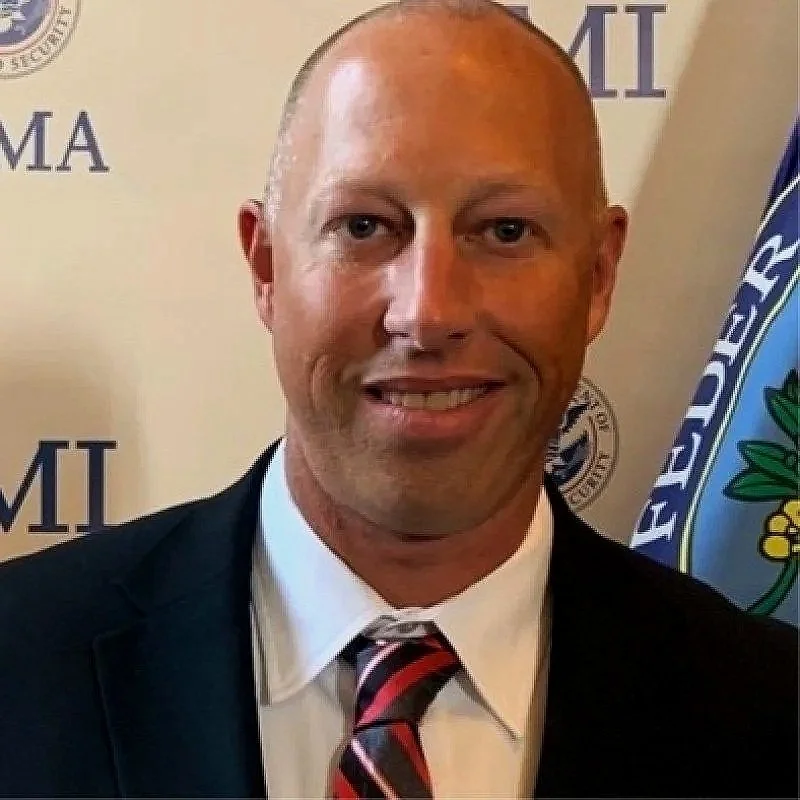





Workshop Instructors: Bios
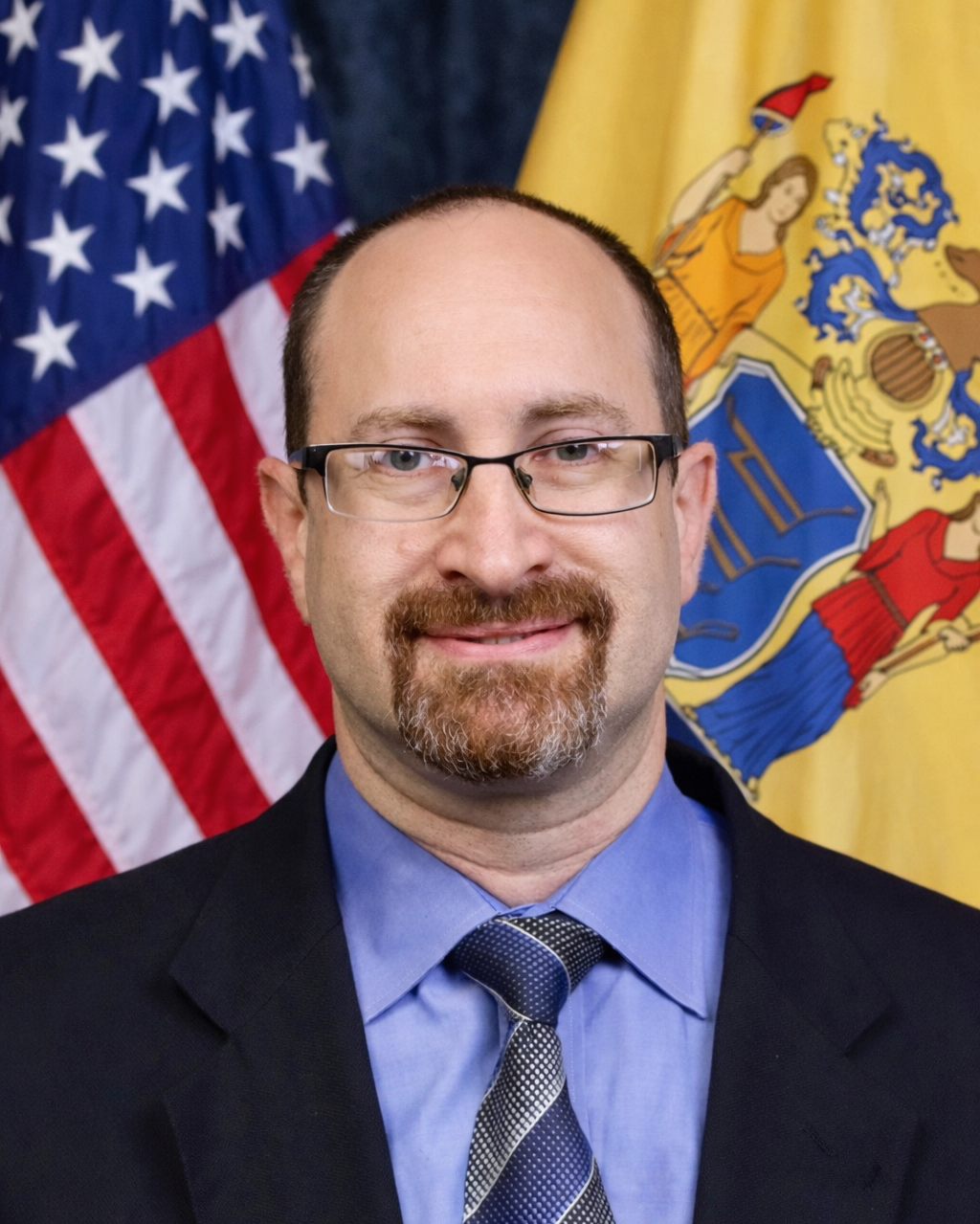
Lead Instructor
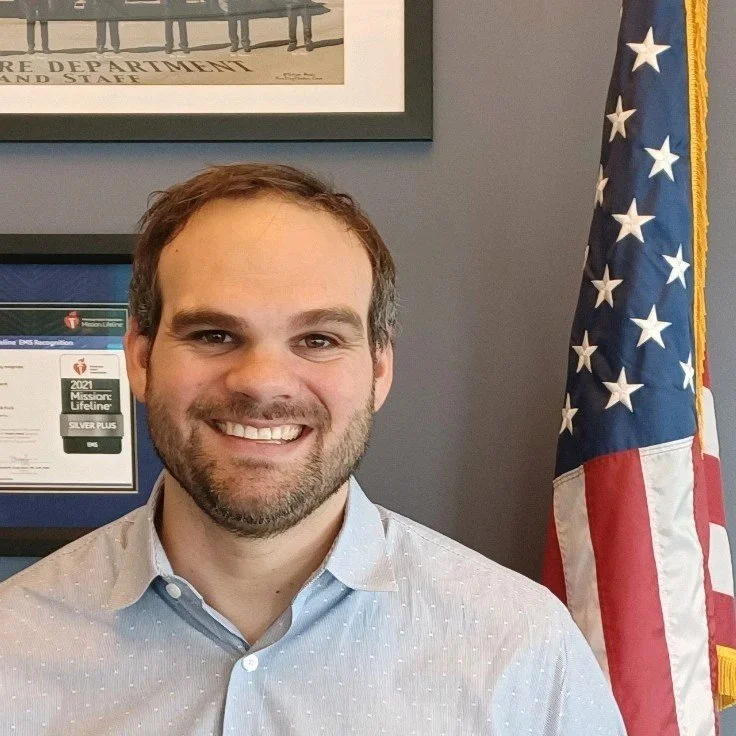
Andrew Boyarsky is President of Pinnacle Performance Management, a consulting company focused on emergency management and business continuity, and is an Associate Professor at NYU, John Jay College, and Yeshiva University. During his 30 years of experience in project and emergency management he has developed programs and training curricula for numerous clients, including FEMA, NYC Office of Emergency Management, and the LA Emergency Management Dept. He has developed and implemented large-scale medical and mass care response projects, notably in former Yugoslavia and the Caucasus, managed emergency sheltering during Hurricanes Irene and Sandy, and led planning efforts during the pandemic.
He is author of the book Riding the Wave: Applying Project Management Science in the Field of Emergency Management and hosts the podcast Riding the Wave: Project Management for Emergency Managers. He holds a B.A. from Johns Hopkins, a MSM from the Hult International Business School; holds certifications as a PMP, CBCP, and cABCF.

Instructor-Module 3
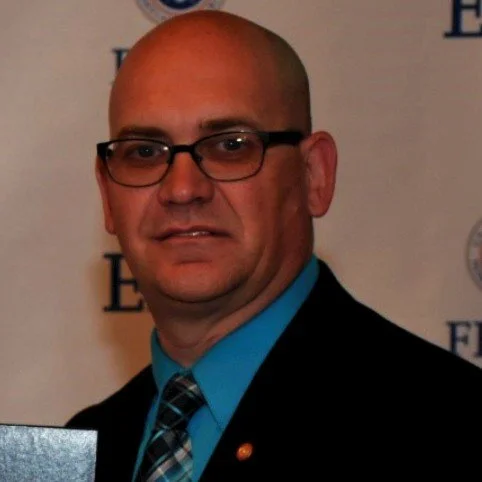
Adam N. Tager, M.S., CEM, PMP, NEMAA serves as the Senior Director, Emergency Management - Bridges and Tunnel at the Metropolitan Transportation Authority. He previously served as the Disaster Readiness Branch Chief in the FEMA Mission where he led readiness, response, and continuity efforts across the FEMA Mission Support enterprise with duties including advising senior executives, developing and managing readiness programs, and coordinating disaster response efforts with diverse stakeholders. Previous to this role, Adam worked in the FEMA Field Operations Directorate as a program analyst, as was a consultant supporting the Department of Defense and FEMA. Adam holds a B.A. in Communications and Government from American University and an M.S. in Emergency Management from Southern New Hampshire University, he is also a graduate of the National Emergency Management Advanced Academy and holds the Certified Emergency Manager and Project Management Professional credentials. Adam resides in Brooklyn with his wife, son, and dog.
Upcoming PM4EM Cohorts (just click below)

Instructor
Anthony S. Mangeri is an emergency management consultant. During his service with the New Jersey Office of Emergency Management, he prepared and refined the state standards for school and campus-based emergency planning and disaster recovery operations. Anthony also served as the New Jersey State Hazard Mitigation Officer for over a decade. During the response and recovery to the September 11, 2001, terrorist attacks, he was the operations chief at the New Jersey Emergency Operations Center, where he coordinated the state’s response efforts.. Beyond his professional achievements, Anthony has committed over 35 years to serving as a volunteer firefighter and Emergency Medical Technician. He teaches in Disaster Sciences and Emergency Management at Rowan University and the American Public University System. He holds a BA-Communications, Thomas Edison State College and MPA with a focus in Emergency and Disaster Management, Ruthers State Univ. Anthony has also finished a Fellowship, Public Health Leadership Initiative for Emergency Response, Center for Public Health Preparedness New Jersey Center for Public Health Preparedness.

Instructor- Module 9
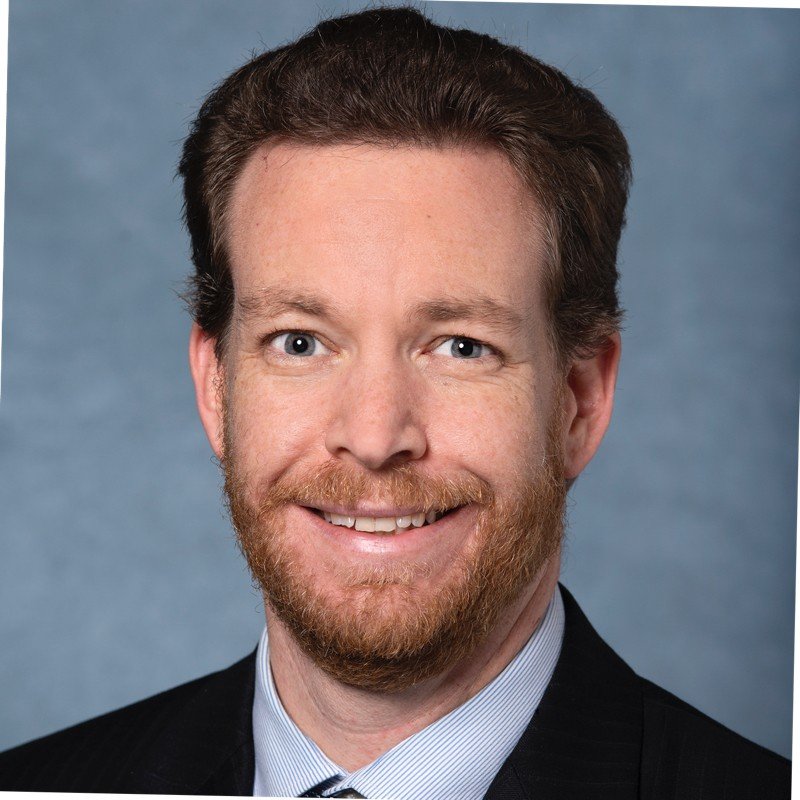
Kelly R McKinney, PE CBCP, is Assistant Vice President of Emergency Management and Enterprise Resilience at NYU Langone Health in New York City. He was a Deputy Commissioner at the New York City Office of Emergency Management and Chief Disaster Officer for the American Red Cross in Greater New York, Kelly McKinney has had a leadership role in every major disaster in New York City for more than 20 years, from the 9/11 attacks to Superstorm Sandy to Covid-19. He teaches crisis management at NYU and was recently appointed to FEMA's National Advisory Council. He is the author of Moment of Truth, the Nature of Catastrophes and How to Prepare for Them. He is a professional engineer with a BS in mechanical engineering from the University of Kansas and an MPA from Columbia University in the City of New York. He is a board member of the All-Hazards Consortium and of the Urban Assembly School for Emergency Management in New York City.
“Andrew is a true professional who has brought his classroom to the real world. Students in his programs were involved in framing our Business Continuity and Disaster Planning efforts. He's taken his students out of the classroom into the real world and helped our organization at the same time.”
— James E. Vasquez, PMP® ITIL®, Chief Information Officer, Technology Executive, Yeshiva University